
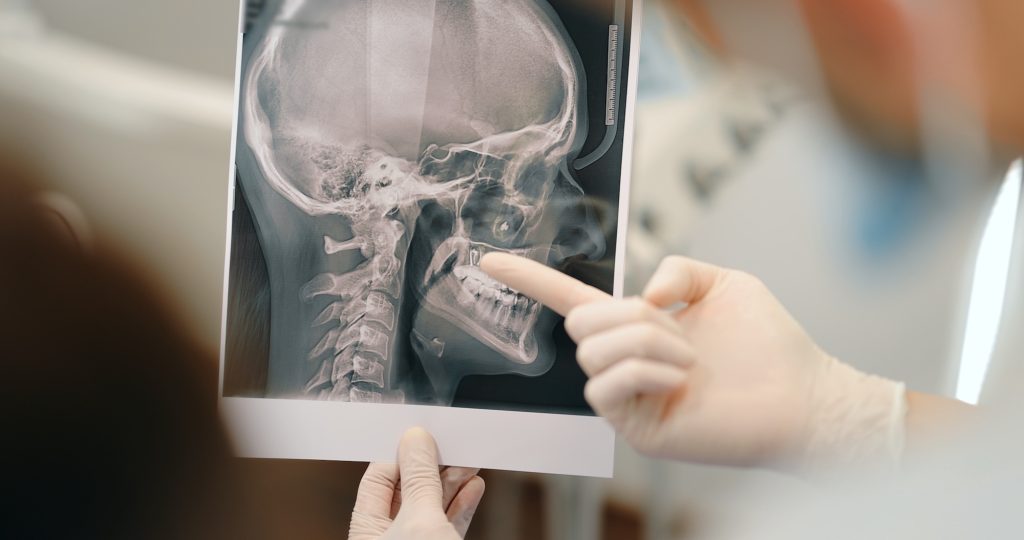
Specialized repair of the oral-antral connection

Sinus Exposure Repair is necessary when an opening forms between the mouth and the maxillary sinus, often following the removal of a back upper tooth. This procedure seals the opening to prevent infection and communication between the two spaces.

Sealing the sinus connection to prevent complications

What is it?

Sinus Exposure Repair, or closure of an oral-antral communication (OAC), is a surgical procedure to fix an abnormal opening or hole that connects the mouth to the maxillary sinus cavity. This complication most often occurs after the extraction of an upper molar or premolar, as the roots of these teeth are sometimes positioned very close to, or even within, the sinus floor.

When do you need it?

If a direct opening is present, it can cause air or fluids to pass between the mouth and the sinus, leading to serious issues such as chronic sinus infections, the passage of liquids into the nose, and difficulty speaking. Immediate repair by an oral surgeon is crucial to prevent these complications.
The repair involves gently repositioning healthy gum tissue, often called a flap, to cover and seal the exposed area completely. The surgeon ensures the closure is tension-free and watertight.

Benefits

The Sinus Exposure Repair protocol

If a sinus exposure is suspected or occurs, the oral surgeon will confirm the communication through a gentle test. X-Rays or a CT scan may be used to assess the size and health of the surrounding bone. You will be prescribed antibiotics and a special decongestant to manage any pre-existing sinus issues. Pre-operative instructions will strictly prohibit blowing your nose or sneezing forcefully, as this can worsen the opening.

The repair is performed under Local Anesthesia, often with sedation for patient comfort. The surgeon begins by gently trimming and preparing the edges of the opening. A soft tissue flap (a piece of gum tissue from the surrounding area) is carefully lifted and mobilized to be placed over the opening. The flap is positioned to fully cover the exposed area and is sutured firmly into place. The goal is to achieve a tight, stable, and tension-free closure to allow for successful healing.

Post-operative care for sinus exposure repair is critical to success. You will be instructed to take all prescribed antibiotics and decongestants. It is paramount that you avoid creating any pressure changes between your mouth and nose: no sneezing, no blowing your nose, no using straws, and no smoking. Swelling is managed with ice, and a soft diet is required. We will monitor the closure closely over the first few weeks to ensure the tissue heals completely.

FAQs about Sinus Exposure Repair

The most common sign is the passage of air or liquid between your mouth and nose. You may feel air escape from the extraction socket, or when you drink, liquid may come out through your nose. Sometimes, the surgeon will confirm it with a simple, gentle test at the time of extraction. If you suspect an opening after an extraction, contact our office immediately.
An unrepaired opening allows bacteria from the mouth to enter the sterile sinus cavity, which almost always leads to a chronic and difficult-to-treat sinus infection (sinusitis). Furthermore, the opening will not seal the bone and can interfere with any future plans for Dental Implants.
The initial soft tissue closure heals in about 10 to 14 days, which is when the sutures are typically removed. However, the deeper tissue must remain stable for several weeks. Full success of the repair is usually confirmed after about 4 to 6 weeks, provided you strictly follow all post-operative instructions.
In very small, pinpoint openings, the body may sometimes heal the communication spontaneously. However, the risk of infection (sinusitis) and complications is high. For any confirmed opening, immediate surgical repair is strongly recommended by an oral surgeon to ensure a reliable, sealed closure and prevent chronic issues.
Blowing your nose or sneezing creates high air pressure in the sinus cavity. This pressure can easily dislodge the surgical tissue flap that has been carefully placed to seal the opening, leading to a failure of the repair. We ask that you try to sneeze with your mouth open to relieve the pressure and avoid blowing your nose for at least 2 weeks.
The initial repair is typically focused on closing the soft tissue opening. However, if the opening is very large or if a future Dental Implant is planned, a Bone Graft may be placed at the time of repair or as a secondary procedure once the soft tissue is fully sealed and stable. Your surgeon will discuss the need for a bone graft based on your long-term goals.